Battery Recycling — Safe, Certified, PAN India

Why It Matters

Battery Recycling —
Safe, Certified,
PAN India

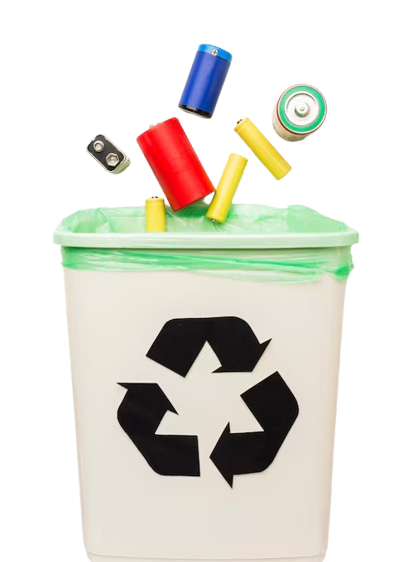
EPR-registered, CPCB-authorised battery recycling for all chemistries — Li-ion, lead-acid, NiMH, NiCd, and alkaline. Safe collection protocols. Zero landfill. Compliant with Battery Waste Management Rules, 2022.

EPR

Registered

Safe

Li-ion Protocol

Landfill
0 %
Quote Response
0 hrs
batteries_3_MR1540

Battery Waste — India's Fastest Growing Environmental Challenge

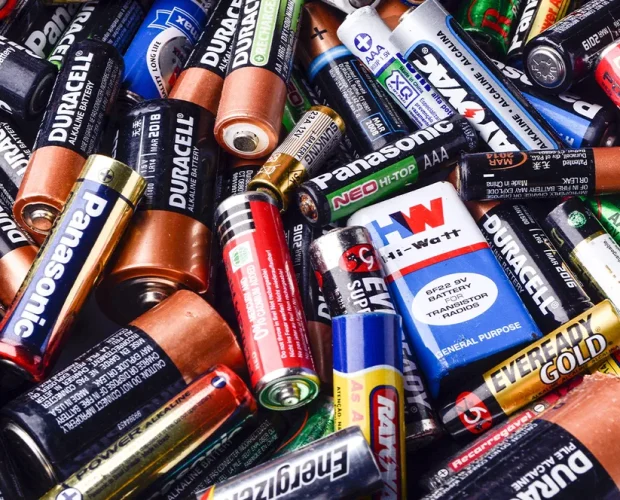
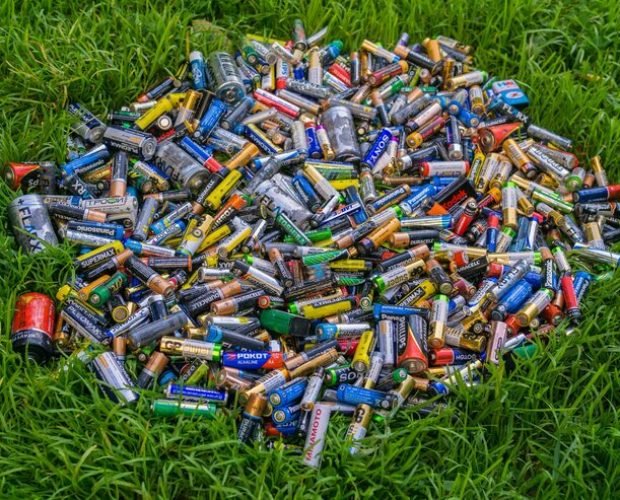
India's battery waste is growing at an unprecedented rate — driven by the explosion of smartphones, laptops, electric vehicles, and UPS systems. Improper disposal of batteries causes severe environmental damage: lithium-ion batteries can cause fires, lead-acid batteries leach toxic lead into groundwater, and cadmium from NiCd batteries is a confirmed carcinogen.
The Battery Waste Management Rules, 2022 mandate that producers, importers, and bulk consumers of batteries meet annual EPR targets for battery collection and recycling. Non-compliance carries significant penalties. Epragathi Recycling is an EPR-registered entity for battery waste, enabling us to issue battery EPR certificates for your annual CPCB filing.
Our Process

How We Safely Recycle Your Batteries

Battery recycling requires strict safety protocols — especially for Li-ion. Our R2v3-certified process is designed for maximum safety and maximum material recovery.


01

Safe Collection & Packaging

Li-ion batteries collected in specially designed, fire-retardant bags. Damaged or swollen batteries receive individual sand-packed containers. All batteries transported by our trained hazmat-aware logistics team.

02

Receiving & Safety Inspection

Each batch inspected on arrival at our Tumkuru facility. Damaged or high-risk batteries isolated and handled per R2v3 safety protocols. All batteries weighed and catalogued by chemistry and source.

03

Chemistry Segregation

Batteries segregated by chemistry (Li-ion, Lead-Acid, NiMH, NiCd, Alkaline) — each requiring different processing methods. Segregation ensures maximum material recovery and prevents cross-contamination.

04

Controlled Discharge & Processing

Batteries safely discharged before dismantling — preventing thermal runaway during processing. Li-ion cells processed in controlled environment. Electrolyte captured and treated. Active materials separated.

05

Material Recovery

Valuable materials recovered by battery chemistry: Li-ion yields lithium, cobalt, nickel, and manganese; Lead-acid yields 97%+ recoverable lead and sulphuric acid; NiMH yields nickel, rare earth metals.

06

EPR Certificate & Compliance Report

Battery EPR certificate issued as a CPCB-registered entity under Battery Waste Management Rules 2022 — valid for your annual EPR return filing. Weight certificate and material recovery report also provided.

Industries We Serve

Certified E-Waste Recycling for Every Sector

Banking & Finance

RBI mandates certified data destruction for ATMs, core banking servers, and trading terminals. Certificate of destruction satisfies RBI audit requirements. We serve banks across India with full regulatory documentation.

IT & ITES Companies

Annual laptop refresh cycles, server decommissioning, and data centre migrations. Our ITAD service satisfies ISO 27001 and SOC 2 compliance requirements for data disposal documentation.

Healthcare

Patient data on medical devices, diagnostic systems, and hospital IT infrastructure requires certified destruction. HIPAA-aligned documentation available for multinational hospital chains.

Government & Defence

Government IT asset disposal requires DoD-standard wiping and complete chain-of-custody documentation. We serve central and state government departments with GFR-compliant procedures.

Corporates & Multinationals

Annual laptop refresh, office closures, and M&A IT consolidation require certified ITAD with documentation for DPDP Act, GDPR, and internal IT security compliance.

heap-old-used-discarded-aa-cells-other-electric-batteries-grass_533998-3159

Request Battery Recycling Pickup

Safe, certified, EPR-compliant battery recycling. All chemistries. PAN India. Response within 2 business hours.

Frequently Asked Questions

Battery Recycling Questions Answered

Are Li-ion batteries dangerous to transport and recycle?
Lithium-ion batteries can be dangerous if damaged, punctured, or improperly stored — they can enter thermal runaway, reaching temperatures of 600°C and releasing toxic gases. Our team is trained in safe Li-ion handling protocols. Damaged or swollen batteries receive individual fire-retardant containers and are transported separately. At our facility, they are processed in a dedicated controlled environment. We never collect or process Li-ion batteries through general waste channels.
What are the Battery Waste Management Rules, 2022?
Can you recycle EV (electric vehicle) batteries?
Can I mix different battery types in one pickup?
What documentation do we receive after battery recycling?
Is there a minimum quantity for battery pickup?
Do you serve cities outside Bengaluru?
Is e-waste recycling a legal requirement for our company?
Safe And Trusted Waste Collection Service

All Battery Types. All Sizes. All Chemistries.

EPR-registered, safe, certified battery recycling across India. Zero landfill. Full compliance documentation.